
One of the essential requirements for cables used in industrial wiring is their ability to withstand tough environmental conditions, going along with mechanical load and continuous use over long periods. The choice of the right cable type is very crucial if the three factors namely, safety, effectiveness, and longevity of the utility in industrial settings, have to be attained. This Australian Cable is amongst the options that have attracted a lot of attention recently due to a couple of its features like strength, resistance to corrosion, and affordability. By and large, it is the type of wire that comes up with good performance in industrial and commercial applications where a very high level of reliability is necessary.
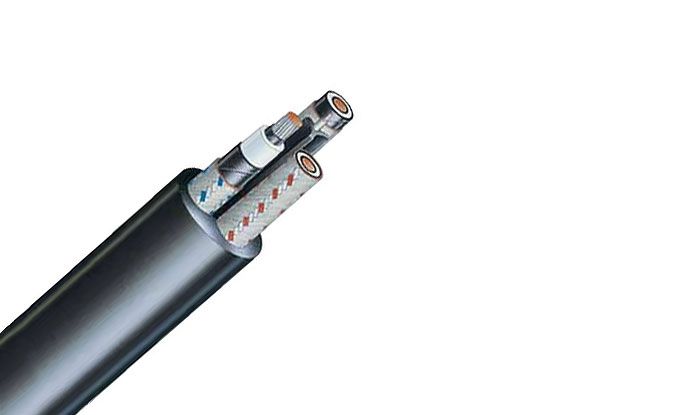
We delve into Type 409 cable in this article, its characteristics, application and the possible advantages it brings with it to power industry professionals in the decision-making regarding wiring needs.
1. Understanding Type 409 Cable
1.1 What is Type 409 Cable?
- Type 409 cable generally refers to heavy-duty electrical cables that have Type 409 stainless steel or equivalent corrosion-resistant materials in their make-up.
- They are typically layered for use in exterior areas where the cables are exposed to weather, sunlight, and temperature changes.
- The cable is constructed to endure various industrial chemical reactions, dampness, and heat changes.
1.2 Composition and Structure
- Stainless steel is the major component, and it is often alloyed with chromium for better corrosion resistance.
- The cable is protected by layers of insulation to reduce environmental impact and prevent the risk of leakage or short circuit.
- Both single- and multi-core cables are available, as well as armored and non-armored variations.
1.3 Why It is Popular in Industrial Wiring
- There is a need for cables that can stand up to industrial usage and have a long life span.
- Type 409 cable is a good compromise in terms of performance and price.
- It is a realistic choice that doesn't sacrifice as much performance for lower cost.
2. Key Features of Type 409 Cable
2.1 High Corrosion Resistance
- Employing 409 stainless steel enables the cable to resist rust and corrosion even in very severe environments, for example:
- The chromium content on the stainless steel surface forms a thin, sticky, and stable oxide layer that acts as a barrier to the penetration of the corrosive agents.
2.2 Thermal Stability
- Type 409 cable can be exposed to high-temperature conditions for a long time and still be able to function normally.
- Platinum group metals, most notably, have high melting points and a strong affinity for oxygen.
- Such metals can be made into compounds with oxygen that are stable even at very high temperatures.
2.3 Mechanical Strength and Durability
- Type 409 cable has a strong mechanical structure that gives it certain abilities against:
- Such cable could serve the purposes of different industrial settings, whether it is light or heavy usage.
- The cable can have a longer life and therefore the need for replacement would be seldom.
2.4 Resistance to Oxidation
- Exposure to oxygen at an elevated temperature leads to the formation of an oxide layer on the metal surface.
- When this happens, the reactivity of the metal decreases; thus, corrosion is retarded.
- Electrical resistance is the opposition to the flow of electric current, resulting in the generation of heat.
2.5 Cost-Effective Material
- Type 409 stainless steel is a considerably less costly option compared to the more expensive stainless steel grades.
- In terms of performance/price ratio, it constitutes an excellent choice.
- It is an intriguing alternative for companies that want to make the most out of their investment.
2.6 Flexibility and Adaptability
- The industrial type 409 cable can be adjusted in every way to satisfy most work requirements.
- It comes in both flexible and rigid types, which makes it easier for the users to select the one that suits the job.
- In such a case, the installation can be done through:
3. Technical Specifications and Performance
3.1 Electrical Performance
- The cables can operate in challenging metallurgical scenarios, guaranteeing maximum efficiency of the electrical current delivered.
- It allows the extension of the power supply network without lowering the power.
- Motors; Transformers; Power distribution systems.
3.2 Temperature Range
- The cable can effectively work in a quite wide range of temperatures.
- You can use such a cable both inside a building and outdoors where the weather is harsher.
3.3 Insulation and Sheathing
- The insulation is made from one or a combination of materials such as:
- The outer sheathing protects the cable further by providing resistance to:
3.4 Safety Compliance
- Such cables comply with all relevant safety standards in the market.
- The design features incorporated in the cable can prevent the occurrence of:
4. Factors to Consider When Choosing Type 409 Cable
4.1 Environmental Conditions
- First of all, think about if it is likely that the cable will come into contact with water, chemicals, or extreme heat or cold.
- Make sure the cable is capable of withstanding the kind of environment it will be working in.
4.2 Load and Voltage Requirements
- Confirm that the cable you choose has the capability and voltage level of your equipment.
- Choosing suitable products can significantly reduce the risk of failure and also ensure the safety of the user.
4.3 Installation Type
- Think about whether the cable is to be buried underneath the earth, hung over the ground or indoors.
- Select the kind of insulation most suitable for these uses.
4.4 Safety and Compliance Standards
- It is a good idea to check whether the product or service you obtain complies with national and international safety standards.
- This is the right way to ensure that your business is safe in the long run.
Conclusion
Thanks to its robustness, resistance to corrosion, safety, and wide applicability, which are inherent features of Type 409 Cables, it has been recognized as an industrial wiring solution that one can depend on.
Definitely, the industry giants who want to use electrical systems of the highest quality and the most advanced technology that can tolerate the working conditions in the most demanding environments are supported by the cable. This has a huge impact on all the sectors from manufacturing, oil, and gas to renewable energy and infrastructure because the cable can be applied in the three sectors and more, and the usage is growing.
Industries that are ready to take the plunge in Type 409 and other types of high-quality cables will have at their disposal a plethora of advantages such as safety and security in the long run, minimum maintenance, maximum energy efficiency, and eventually, cost savings. With further developments in technology, industrial cables of advanced kinds will be there to play an even bigger role in the coming days. This will make them an indispensable part of the electrical infrastructure of today and tomorrow.
Having a good grasp of what Type 409 cable stands for, where it can be put to use and how it benefits different users would be a handy tool for any business that aims at making a well-thought-out decision and setting up a robust and industrial system that leaves a legacy for the future.
Also Read: The Ultimate Guide to SWA: When and Why to Use Armoured Cable