
Modern society depends on electrical infrastructure, which serves as the fundamental support system for all contemporary systems, including smart cities renewable energy electric vehicles data centers and our daily digital usage patterns. Cables do not attract most people's attention yet they serve as the primary component that enables cable manufacturers in the world to drive this industry forward. Their operations now extend beyond wire manufacturing because they develop new methods for generating energy and transmitting it and utilizing power resources.
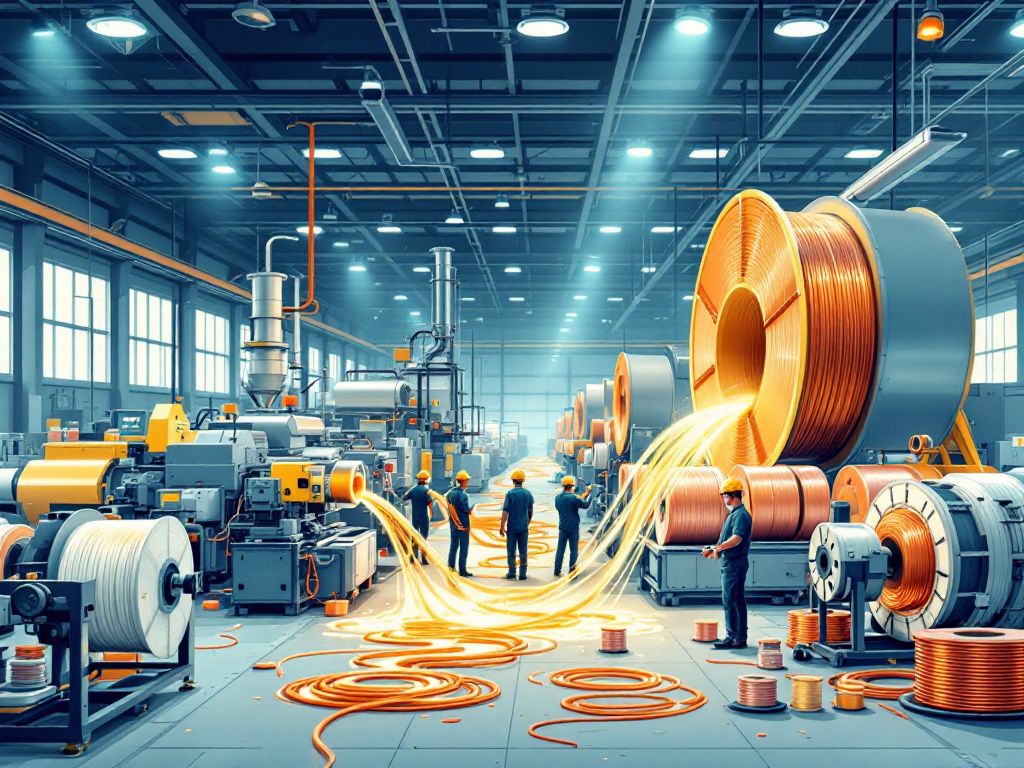
The following explanation of electrical infrastructure development presents an overview that combines current trends with insights from major Australian Cable Manufacturers who operate in multiple countries.
1. The Increasing Need for Energy Brought Fundamental Changes
The world's energy needs are increasing at a fast pace because developing nations require more energy resources. Cable manufacturers in Australia are shifting toward developing infrastructure systems that can sustain elevated operational demands without breaking down. This development leads to the creation of stronger and more efficient cables, which enable power transmission across greater distances.
Urban centres continue to grow while various regions throughout the world still work on bringing electricity to rural areas. The situation requires companies to create cables that must prove their strength and ability to function in various conditions that exist between urban centres and remote villages.
2. Renewable Energy is Spurring Innovation
Renewables like solar and wind energy are no longer alternatives but the main sources of energy. However, unlike conventional power plants, these renewables are usually situated far away from the cities, resulting in the necessity for sophisticated transmission systems.
Manufacturers who make cables are developing a new type of high-performance cables that will be able to transfer power from the renewable energy plants to the city grids. For instance, offshore wind farms need underwater cables that not only perform well but can survive in the harsh environments of the marine areas as well.
This change is also leading to developments in protective layering, use of various materials, and cable styling that aims at lowering power wastage and enhancing dependability.
3. Smart Grids are Becoming the New Normal
Power grids of the past are slowly being phased out and replaced with smart grids that have the capability to keep electricity flows in check and manage them instantaneously. Cable producers are now linking technology capabilities with their products so as to be able to back this change.
Cables nowadays are being made with embedded devices and abilities to communicate. These "smart cables" are able to pinpoint any issues, check their temperature, and even forecast failures long before they occur. This leads to a decrease in downtime and it overall makes the system much more effective.
4. Sustainability is No Longer Optional
Sustainability is a major concern now in all sectors, and cable making is no different. Investors are putting their money into environmentally sound materials, components that can be recycled, and production processes that use energy efficiently.
The requirement for the cables that comply with the criteria of minimal environmental impact throughout their existence is also rising. This embraces lessening pollution in the manufacturing process, prolonging the working duration of the product, and facilitating disposal or recycling.
Lots of manufacturers are recognizing climate change as a global issue and making sustainability an integral element of their innovation and development processes.
5. Electrification of Transport is Creating New Needs
Electric vehicles (EVs) are a major factor in altering how electrical infrastructure is planned. New charging stations pop up in cities and along highways. Each of these stations demands reliable cabling solutions.
Manufacturers of cables are making EV charging cables in particular, which are designed to safely carry high power loads and be so flexible and durable as to withstand frequent use.
This import is reshaping urban planning in so far as cities have to enhance their electrical grid capacity to cater to the increasing number of EVs.
6. Data Centers are Fueling Infrastructure Growth
With the increased use of digital platforms video streaming, cloud computing, and AI data centres are growing exponentially. Such centres necessitate a stable and continuous power source.
Cable producers are directing their efforts to making superior quality, fire-resistant, and low-loss cables tailored just for data centres. These cables guarantee safety as well as provide efficiency in environments with high demands.
As data continues to be integral to our existence, the need for dependable electrical infrastructure remains profound.
7. High Voltage and Underground Cabling are on the Rise
In order to fulfill present energy needs, there is a move to high-voltage transmission systems. These systems make it possible for electricity to cover greater distances with very little loss.
Simultaneously, underground cabling is gaining traction, especially in cities. It eliminates visual pollution and is safer but demands sophisticated technology for cable ensuring lifespan and easy maintenance.
Cable manufacturers are dedicating resources to making such systems more efficient and economical.
8. Customization is the Future
The existing market needs require customized solutions because businesses need to create specific solutions that fulfill their particular requirements. Cable manufacturers are developing specific products that meet the distinct requirements of various industries and geographic markets.
The ability to create specialized industrial cables and develop specific renewable energy solutions brings businesses a strategic advantage.
Manufacturers are working closely with clients to design products that meet specific needs, which enhances the efficiency and effectiveness of their total systems.
Conclusion: A Connected, Efficient, and Sustainable Future
The development of electrical infrastructure requires more than physical wires and cables because it needs to establish complete energy systems that provide both connectivity and sustainability. Global cable manufacturers are playing a crucial role in this transformation by continuously innovating and adapting to new challenges.
The demand for reliable cabling systems will increase because energy demand continues to rise while renewable energy sources become more widespread and technology progresses. The industry is moving toward smarter solutions and greener practices, which will create more resilient systems that can meet future requirements.
The cables we currently ignore have become the essential components that will create an advanced and environmentally friendly future.
Also Read: Latest Trends in Armoured Cable Technology and Safety Standards