
Choosing the correct high-voltage (HV) cable is undoubtedly one of the most crucial aspects of any power distribution project. The cable you select will have a direct impact on the efficiency, safety, service life, reliability of operation, and maintenance costs over time of the whole system. With the increase in power requirements, integration of renewables, and rapid development of urban infrastructure, an incorrect choice will cause your cable to overheat, voltage drops, early failure or very expensive downtime.
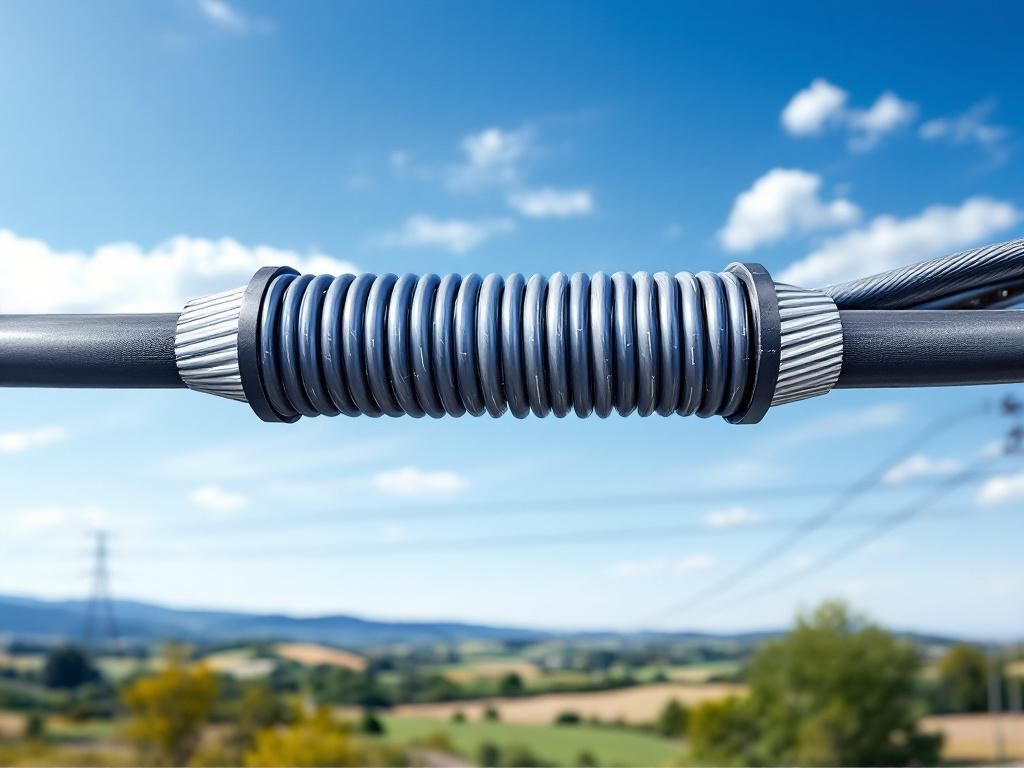
High-voltage cables are, in fact, very different from one another. The characteristics, such as their construction, insulation, conductor material, and typical installation environment, must be precisely matched to the project requirements. This article is by a High Voltage Cable Supplier that presents a set of important aspects covering technical, environmental, and operating conditions that facilitate engineers and project planners in deciding on the right high-voltage cable.
1. Understand the Voltage Classification and Application
First of all, you need to establish the voltage level required by your project. For a clear understanding, High-voltage cables are generally categorized as:
- Medium Voltage (MV): 1 kV to 35 kV
- High Voltage (HV): 35 kV to 230 kV
- Extra High Voltage (EHV): Above 230 kV
Using an Australian Cable with a voltage rating less than the system voltage may cause premature insulation failure and a disastrous breakdown. On the other hand, overspending on over-specification is the waste of money without any real gain.
Besides voltage rating, also take into account the type of power distribution:
- Substations to transformers
- Underground urban networks
- Industrial power plants
- Renewable energy evacuation systems
Different applications will demand different electrical and mechanical strengths from the cable.
2. Evaluate Conductor Material: Copper vs Aluminium
The conductor is the central part of the cable and largely determines its performance and cost.
Copper Conductors
- Electrical conductivity is higher
- Resistance and power loss are lower
- Thermal performance is better
- Service life is longer
The copper cables are best suited to tight spaces, high-load scenarios and cases where efficiency, longevity, and power saving are considered at the highest level.
Aluminium Conductors
- Less weight
- Low price
- During the long-haul installation is facilitated
Aluminium is mainly used in extensive distribution networks where the weights as well as the cost play a crucial role.
The main point is copper has superior electrical properties but aluminium is cheaper. The final decision must take into account both the technical requirements and the financial limitations of the project.
3. Select the Right Insulation Type
Insulation basically measures the ability of a high-voltage cable to resist electrical breakdown, heat, moisture, and environmental exposure.
Types of Insulation Most Often Used:
- XLPE (Cross-Linked Polyethylene):
High dielectric strength
Good heat tolerance
Long good condition period
Requires minimal maintenance
- High dielectric strength
- Good heat tolerance
- Long good condition period
- Requires minimal maintenance
- EPR (Ethylene Propylene Rubber):
Good flexibility
High resistance to both moisture and chemicals
Capable of working in very harsh conditions
- Good flexibility
- High resistance to both moisture and chemicals
- Capable of working in very harsh conditions
Cables insulated with XLPE possess qualities like reliability, high thermal rating, and low dielectric losses, which make them a very popular choice nowadays.
4. Consider Installation Environment and Conditions
The place and mode of installation are equally important to and sometimes even more important than the electrical properties of the cable.
Underground Installations
- Need strong insulation against moisture
- Must be protected against damage caused by soil chemicals and mechanical factors
- Heat release from the cable must be properly managed
Overhead or Duct Installations
- Must be resistant to the sun's UV rays
- Should tolerate mechanical stresses from vibrations and wind load
Industrial or Hazardous Areas
- Surface layer should be fire-retardant for situations with a risk of fire
- Resistance to oil, chemicals, or extreme temperature conditions
Knowing perfectly the environmental conditions can be a good tool in preventing the insulation from aging too soon and the mechanical damage.
5. Thermal Performance and Heat Dissipation
Heat is the number one factor destroying cable life. If heat is not properly managed, the insulation will age and the performance will drop.
When deciding on a cable, you should think of the following:
- The highest temperature the cable can be exposed to while working
- The thermal resistivity of the soil (if the system is underground)
- The distance between cables
Having great-quality insulation and installing the cable correctly are the two factors that will facilitate heat dissipation and allow the cable to work normally even when it is heavily loaded.
6. Compliance with Standards and Certifications
The high-voltage cables must be in accordance with the national and international standards that are aimed at ensuring safety, quality, and reliability.
Examples of widely used standards:
- IEC (International Electrotechnical Commission)
- IS (Indian Standards)
- IEEE standards
Only certified cables of high quality can effectively meet the performance criteria of electrical, mechanical, and thermal, which are being tested rigorously. Being compliant lowers the risk of the project and secures regulatory approval.
7. Lifecycle Cost and Maintenance Considerations
Usually, people make their decision based on cost only, but that is wrong. There are many factors in a cable’s entire life that are:
- Cost of installation
- Energy losses over the life
- Maintenance and repair
- Downtime risks
High-quality cables might cost more initially but they can provide:
- Less power losses
- Less number of failures
- Longer service life
The final point is that for power distribution projects of large sizes, reliability in the long run is most of the time more important than the initial savings.
8. Future-Proofing Your Power Network
The reasons why power distribution systems are changing so fast are:
- Adding renewable energy
- Smart grids
- Load density increase
By picking cables with greater thermal margins and voltage endurance, you are allowing your system to be modified/upgraded in the future without the need to make huge changes to the infrastructure.
If you select the right cable for the future, you will have fewer costs associated with replacements, and your grid will be more resilient.
Conclusion
It is not an easy decision to choose the right high-voltage cable, as this decision will affect your power distribution project for years to come in terms of efficiency, safety, and reliability. A thorough evaluation of voltage requirements, conductor material, insulation type, environmental conditions, ampacity, mechanical strength, and compliance standards will result in the project planners making informed, future-proof choices.
Selecting a high-voltage cable that complements the project requirements will not only help to ensure that power is continually supplied but also reduce the risks involved in operations and the total cost of maintenance during the lifespan of the cable. In today's world, where there is an upsurge in power demand and the power infrastructures are getting more intricate, the right cable is more than just a component—it is the backbone of reliable power distribution.